Blog

Voting

DRM provides voter information, registration and advocacy to remove barriers, ensure accessibility, and promote full participation of people with disabilities in the electoral process. We provide information and resources to make the electoral process simple and accessible for all voters. 


VOTER BILL OF RIGHTS

(PDF available)


As a Maryland Voter, you have the right to:

1. Vote in an accessible polling place.  Call your local board of elections or check on-line at http://www.elections.state.md.us/voting/accessibility.html to find out if your polling site is accessible to you.  The on-line polling site locator will also confirm that you are registered.  To request an accessible polling site contact your local board of elections by close of voter registration.

2. Vote at an early voting center in the county where you live.  To find an early voting center near you, go to:  http://www.elections.state.md.us/voting/early_voting.html

3. Vote by Absentee Ballot.  Any registered voter may request to vote by Absentee Ballot.  To get an application and to check deadlines, go to: http://www.elections.state.md.us/voting/absentee.html

4. Cast a private and independent ballot.

5. Receive voting assistance if needed. You may ask an election judge for help, or bring any other person to help you except your employer or union official.

6. Mark a ballot on an accessible voting machine. You may select a large print or high contrast ballot. You may also request an audio ballot, which requires use of headphones and a keypad. The angle of the voting machines can also be adjusted for better access. More information on Maryland’s Accessible Machines.

7. Cast a ballot as long as you are in line when the polls close.

8. Vote a provisional ballot if your name does not appear on the voter registration list or there is a question about your eligibility to vote.

9. Bring identification with you to your polling location.  Federal law requires that if you registered to vote by mail you must provide identification before voting for the first time in Maryland.

VOTER HOTLINE

To report voting concerns that may be related to a disability (such as access to a polling place, voter assistance, or problems using a voting machine) please contact:

Disability Rights Maryland Voter Hotline
by phone: 443-692-2492; 800-233-7201 ext. 2492; TTY 410-235-5387
or by email: Voting@DisabilityRightsMD.org

More information about DRM’s Voter Hotline

REV UP MD VOTER TOOLKIT

The Maryland Rev Up Toolkit includes information and resources to help people with disabilities and supporters register and vote.

REV UP Maryland Toolkit – 2018

For more information about REV UP 2018 go to: www.aapd.com/REVUP

Blue Banner that reads Feel The Power of the Disability Vote

Read more

Medicaid

DRM’s Helping Obtain Medicaid Essential Services (HOMES) program assists recipients of Medical Assistance who are denied health care services they need to live healthy, safe lives in the community (including nursing and personal care, assistive technology, durable medical equipment, communication devices, mental health services) or those working on their behalf, DRM provides information; advice; training; and in limited cases that raise systemic issues, full legal representation.

View documents and resources regarding Medicaid services for CHILDREN

View documents and resources regarding Medicaid services for ADULTS

Read more

Community Integration

DRM assists individuals who are eligible for Medical Assistance, reside in nursing facilities, and wish to obtain the services they need to live healthy, safe, active lives in the community (including nursing and personal care, behavioral and personal supports) or those working on their behalf, by providing information; advice; training; and in limited cases that raise systemic issues, full legal representation.

Watch a short video about your rights to live in integrated community settings instead of institutions.

Read more

Social Security & Employment

Within our Social Security Administration (SSA) funding restrictions, DRM provides information, advice and limited representation to Social Security recipients with disabilities regarding work incentives and employment barriers, including prevention of SSA over payments, criminal record engagement and access to vocational services. DRM also conducts representative payee investigations at SSA’s direction.

View documents and resources regarding Social Security and Employment.

Watch a short video about your rights to receive reasonable accommodations in the workplace

Read more

DRAFT- Template

Special Education

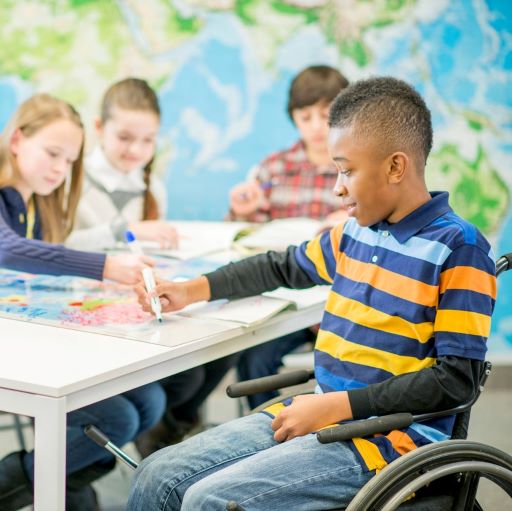
DRM assists students with all types of disabilities from birth – age 21 in K-12 special education matters, with an emphasis on placement in the least restrictive environment; appropriate assessments, educational and behavioral plans, services and supports; access to the school curriculum and high school diplomas; inclusion in school-based and out of school activities; and student discipline matters, including inappropriate school exclusion, restraint, seclusion, and the use of school police and arrests. DRM also advocates for appropriate educational programming and related services for youth involved in the juvenile justice system. We provide information, advice, training, and selected individual and class representation for issues of systemic significance.
View publications and resources regarding Special Education

Read more