January 17, 2023
MEDIA CONTACT
Megan Berger, Disability Rights Maryland, megan.berger@disabilityrightsmd.org
Meredith Curtis Goode, ACLU of Maryland, curtis@aclu-md.org
Camilla Jenkins, Children’s Rights, cjenkins@childrensrights.org
BALTIMORE, MD – Today, Disability Rights Maryland, the ACLU of Maryland, Children’s Rights, and Morgan, Lewis & Bockius LLP filed a lawsuit against the Maryland Department of Human Services (DHS) and Social Services Administration (SSA) on behalf of minor children in the State’s foster care system who are given one or more psychotropic medications. The lawsuit covers all jurisdictions except Baltimore City, which is covered through separate ongoing litigation involving children in foster care.
The lawsuit claims that for over a decade Maryland’s DHS and SSA have failed to exercise adequate oversight of children in foster care who are given potentially dangerous psychotropic drugs.
As many as 34% of children in Maryland’s foster care system are given psychotropic drugs, and more than half of those children are prescribed multiple drugs at the same time. Nearly 75% of these children who are taking psychotropic drugs do not have a psychiatric diagnosis. Black children, disproportionately represented in Maryland’s foster care system, are at greater risk of being subjected to dangerous prescribing practices in many counties.
The complaint outlines dangerous failures on the part of SSA and DHS to serve as effective custodians for the children in their care, including failing to compile and maintain adequate medical and mental health records, failing to implement an adequate informed consent process, and failing to operate an adequate secondary review system to conduct second opinion evaluations when necessary.
Up to 80% of U.S. children who enter state foster care systems have significant mental health needs, including the effects of trauma caused by having been taken from their families and loved ones. The uncertainties and instabilities associated with life in foster care often add to that trauma, leading children to display complex behaviors that require the attention of mental health professionals. Frequently psychotropic medications are administered, which can be of help to children, but only when sufficient oversight mechanisms are in place.
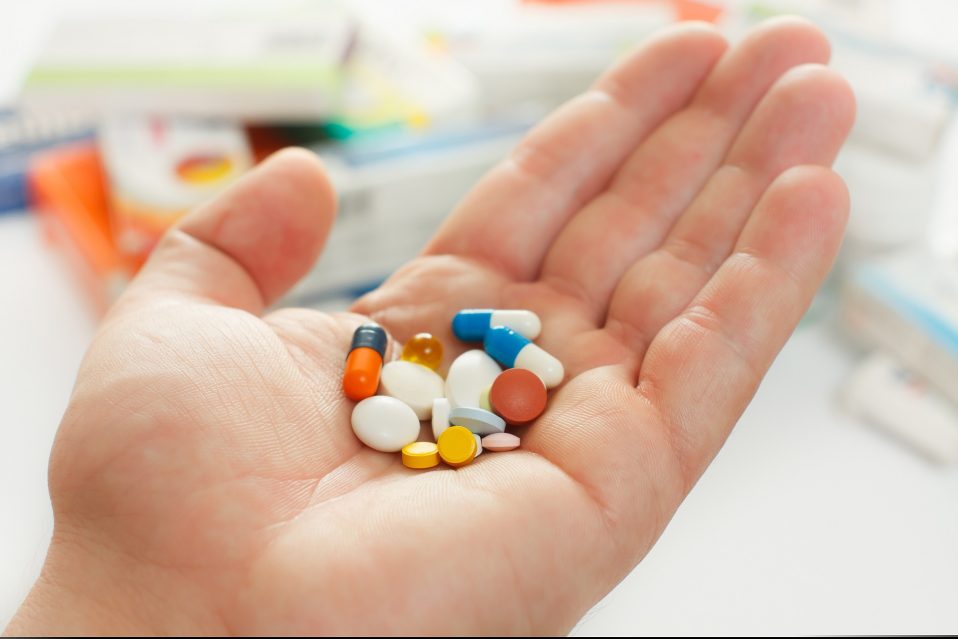
Psychotropic medications are powerful drugs that directly affect the chemicals in the brain that help to regulate emotions and behavior. Children face a great risk of harmful side effects including seizures, suicidal thinking and behavior, weight gain, excessive fatigue and chronic diseases such as diabetes. The likelihood of adverse effects of medication increases with the number of medications, and these side effects can be lifelong, continuing even after the medication is stopped.
The risks of harm from psychotropic medications are increased for children in government systems because they do not have a consistent interested party to coordinate their treatment. The fact that multiple people are involved in their care can result in poor recordkeeping and miscommunication leading to children being prescribed too many drugs, at too high a dosage, at too young an age. Children pay the price, which is unacceptable.
Y.A., a sixteen-year-old Black child who has been in the custody of Maryland’s DHS for over two years, is one of the named plaintiffs in the case. He has repeatedly cycled between hospitalizations and temporary motel stays, and today remains separated from his mother and confined to a residential treatment facility. Y.A. overdosed twice on his medications while living in the motel. He has suffered severe side-effects, including extreme weight gain, difficulty controlling his hands and arms, difficulty walking, dizziness, fatigue, stomach aches, and head-aches, all of which are known symptoms of one or more of the multiple psychotropic medications he is taking. Neither Y.A. nor his mother has been given adequate information about his medications, and no adult with authority to consent to his medications regularly attends Y.A.’s psychiatric appointments with him. He believes that DHS “doesn’t pay attention” to him.
“Now is the time for our state to address these systemic deficiencies and provide proper care for the children they promised to protect. With a new administration in Annapolis, a critical window has opened for Maryland to address past failures and meet its responsibility to support children in state custody. The children of Maryland deserve nothing less,” said Megan Berger, assistant managing attorney at Disability Rights Maryland.
“The lack of comprehensive recordkeeping for all children is exacerbated by the state’s failure to enforce a clear and unambiguous informed consent policy. Medications are approved without benefit of a child’s health history, leading to potentially life-threatening complications,” said Samantha Bartosz, deputy director of litigation at Children’s Rights. “Biological parents are often not engaged, and may not even be aware that their child is taking psychotropic drugs. Youth, too, have no voice in consequential health decisions impacting them. Instead they are forced to take medications against their will.”
###
About Disability Rights Maryland
Disability Rights Maryland, Inc. (DRM), a non-profit organization, is Maryland’s designated Protection & Advocacy Agency federally authorized to advance and protect the civil rights of individuals with disabilities, including children and youth with mental health, developmental, and other disabilities. DRM works with people with disabilities to achieve full participation in community life, self-determination, equality, freedom from abuse and neglect, and access to civil rights. For more information, please visit www.disabilityrightsmd.org.
About the ACLU of Maryland
Founded in 1931, the ACLU of Maryland exists to empower Marylanders to exercise their rights so that the law values and uplifts their humanity. Our vision is for Maryland’s people to be united in affirming and exercising their rights in order to address inequities and fulfill the country’s unrealized promise of justice and freedom for all. www.aclu-md.org
About Children’s Rights
Every day, children are harmed in America’s child welfare, juvenile justice, education, and healthcare systems. Through relentless strategic advocacy and legal action, we hold governments accountable for keeping kids safe and healthy. Children’s Rights, a national non-profit organization, has made a lasting impact for hundreds of thousands of vulnerable children. For more information, please visit www.childrensrights.org.